
Your heart pounds. Your chest tightens. You can’t catch your breath, and a wave of dread tells you something terrible is about to happen.
Minutes later it fades, leaving you shaky, drained, and wondering what just happened.
If that sounds familiar, you’re not alone, and you’re not “going crazy.”
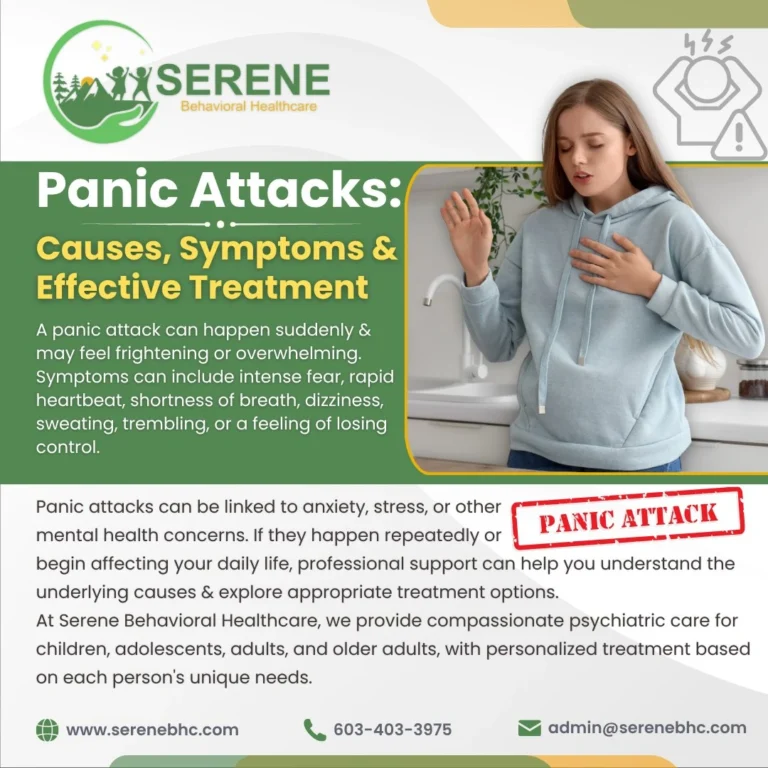
A panic attack is a sudden surge of intense fear that sets off strong physical reactions, even when there’s no real danger. It can feel like a heart attack, like losing control, or like dying.
It isn’t dangerous in itself, but it is frightening, and the question people ask most afterward is: why did that happen?
The answer is that sometimes there’s a clear trigger, and sometimes there isn’t.
What Happens in the Body During a Panic Attack
Panic attacks are tied to the body’s fight-or-flight response, the same alarm system that would help you react to a real threat. In a panic attack, that alarm goes off when nothing is actually wrong. Adrenaline surges, and you may notice:
- A racing or pounding heart
- Shortness of breath or a choking feeling
- Sweating, chills, or trembling
- Chest pain or tightness
- Dizziness, nausea, or stomach distress
- Numbness or tingling
- A feeling of unreality, or a fear of losing control
Symptoms usually peak within about 10 minutes, though you may feel wiped out for hours afterward. Panic attacks can happen at any time, even during sleep.
Common Panic Attack Triggers
Researchers haven’t pinned down one single cause of panic attacks. Most experts believe a mix of genetics, brain chemistry, life stress, and learned fear responses all play a part.
Some of the most common triggers fall into a few groups.
Stress and major life changes
- Job loss, financial pressure, or a demanding work or school schedule
- The death or serious illness of a loved one
- Divorce, a breakup, or a move
- Ongoing stress that builds over weeks or months
Trauma and past experiences
- Reminders of a traumatic event
- Difficult childhood experiences
- Panic that shows up alongside post-traumatic stress
Situations and places
- Crowded or enclosed spaces, such as stores, elevators, or public transit
- Driving, flying, or crossing bridges and tunnels
- Public speaking or performance situations
- Medical settings or procedures
- Any place where you’ve had a panic attack before
Substances and medications
- Large amounts of caffeine or energy drinks
- Nicotine
- Alcohol, including the withdrawal period after drinking
- Stimulant drugs and some other recreational drugs, including high-potency cannabis
- Some medications, such as certain decongestants
Physical and lifestyle factors
- Poor sleep. Sleep loss can make the brain’s alarm system more reactive
- Skipped meals or low blood sugar
- Dehydration or overexertion
- Hormonal changes
- Physical sensations, like a fast heartbeat after exercise, that are misread as danger
Underlying health conditions
Some medical conditions can cause or mimic panic symptoms, including thyroid problems, irregular heart rhythms, and asthma. Because panic symptoms can look a lot like other serious health problems, it’s important to get checked by a medical provider, especially the first time it happens.
Why Panic Sometimes Comes Out of Nowhere
Many people can’t point to any trigger at all. Attacks can strike while you’re relaxing, watching TV, or sound asleep. That doesn’t mean something is wrong with you. Panic tends to run in families, and some people simply have an alarm system that’s more sensitive.
Over time, though, a pattern often forms. After one attack, people start to fear the next one. They become hyper-aware of their heartbeat, their breathing, or a flicker of dizziness, and that fear can set off another attack.
This loop of fearing the fear is one of the biggest drivers of panic, and it’s the reason attacks can become more frequent.
Panic Attack or Panic Disorder?
Having a panic attack doesn’t mean you have panic disorder. Many people have one or two attacks in their lives, often during a stressful time, and never have another.
Panic disorder is different. It involves repeated, unexpected attacks along with:
- Ongoing worry about when the next attack will come
- Avoiding places, activities, or situations because of fear of an attack
- Changes in daily routines, work, or relationships to prevent attacks
It’s more common than many people realize. In the U.S., about 3% of adults have panic disorder in a given year, and it often begins in the late teens or early adulthood. It affects women more often than men.
Left untreated, avoidance can grow until a person feels unable to leave home or go places alone, a pattern known as agoraphobia.
Panic often travels with other concerns, too. If you’re also feeling constant worry, our post on how to recognize the early signs of anxiety before it takes over can help you spot the bigger picture.
What You Can Do in the Moment
Panic attacks are hard to stop once they’ve started, but you can ride them out.
- Remind yourself it will pass. Panic attacks peak and fade. They are not dangerous.
- Slow your breathing. Breathe in gently through your nose, then out slowly through your mouth. Fast, shallow breathing makes symptoms worse.
- Ground yourself. Name five things you can see, four you can touch, and three you can hear.
- Stay where you are if it’s safe. Leaving a situation can teach your brain that the place was the danger.
Afterward, jot down what was happening: the place, the time, how much sleep and caffeine you’d had, what was on your mind. A simple trigger journal can reveal patterns you’d never notice otherwise.
When to Get Help
Consider reaching out to a healthcare or mental health professional if:
- You’ve had panic attacks more than once, or they seem to be coming more often
- You live in constant worry about having another attack
- You’re avoiding places, people, or activities because of panic
- Panic is affecting your sleep, work, school, or relationships
- You’re using alcohol or other substances to cope
- You’re not sure whether your symptoms are panic or something physical
And if you ever have chest pain that’s new, severe, or spreading to your arm, jaw, or back, or you’re unsure whether you’re having a heart attack, don’t wait. Seek emergency care right away.
If you’re in crisis or thinking about hurting yourself, call or text 988 (the Suicide & Crisis Lifeline) or go to the nearest emergency room.
The encouraging news is that panic disorder is very treatable. Cognitive behavioral therapy (CBT) is a leading first-line treatment. It helps you understand the panic cycle and change how you respond to the sensations that set it off.
Medications, such as SSRIs, can also help, and the two are often combined.
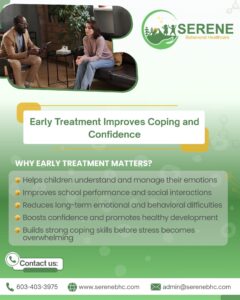
Getting help early matters too. To learn why, read Early Intervention: Why Early Treatment Improves Coping and Confidence.
Needing help doesn’t mean you’re weak. It means your body’s alarm system needs retraining, and that’s something a good clinician can help you do.
You Don’t Have to Live in Fear of the Next Attack
If panic is shaping your days, you don’t have to keep working around it. At Serene Behavioral Healthcare, our team provides diagnostic evaluations, medication management, therapy, and counseling for anxiety and panic, in person at our Manchester, NH office or virtually.
Have a question, or ready to take the next step? Contact us or book an appointment. We accept Medicare, Medicaid, and most major private plans, including Blue Cross Blue Shield, Aetna, and Cigna.
This article is for general information and isn’t a substitute for professional medical or mental health advice.